Natural Gas Safety

How to Recognize a Gas Leak

Common signs of a gas leak include:

  • A gas odor (which can best be described as the smell of rotten eggs);
  • A blowing or hissing sound; water bubbling or being blown into the air at a pond, creek, or river;
  • Dirt being blown or thrown into the air;
  • Fire coming from the ground or burning above the ground;
  • Unusual brown or dead patches of vegetation on or near a pipeline location;
  • A dry spot in a moist field.

If You Smell Or Hear Gas Inside Or Around Your Home

If you smell gas and the odor is very weak, it may simply be a pilot light is out and should be relit. Use the manufacturer’s instruction manual to re-light the pilot.

If the odor is strong or if you hear a hissing or blowing sound, leave your house immediately and on the way out –

  • Do not light a match or a cigarette lighter.
  • Do not attempt to light any appliance.
  • Do not use your phone.
  • Do not turn on or off any electrical switches.
  • Do not use a flashlight.
  • Do leave the house door open.
  • Do warn others to stay away from what you believe to be the source of gas.
  • Do call the gas company and 911 from a safe distance outside the home. Be ready to give the gas company and the fire department the information they need such as:
    > Your name and address
    > The address and phone number from where you are calling
    > The severity and nature of the leak
    > Whether the odor or hissing sound is inside or outside the house

Agree on a location to meet with the fire department and gas company representative(s) and wait there until they arrive. Remember, if you smell a strong odor of gas or hear gas escaping inside or outside your home, do not attempt to locate the problem. Instead, leave your home immediately and call the gas company and the fire department. Let them handle it.

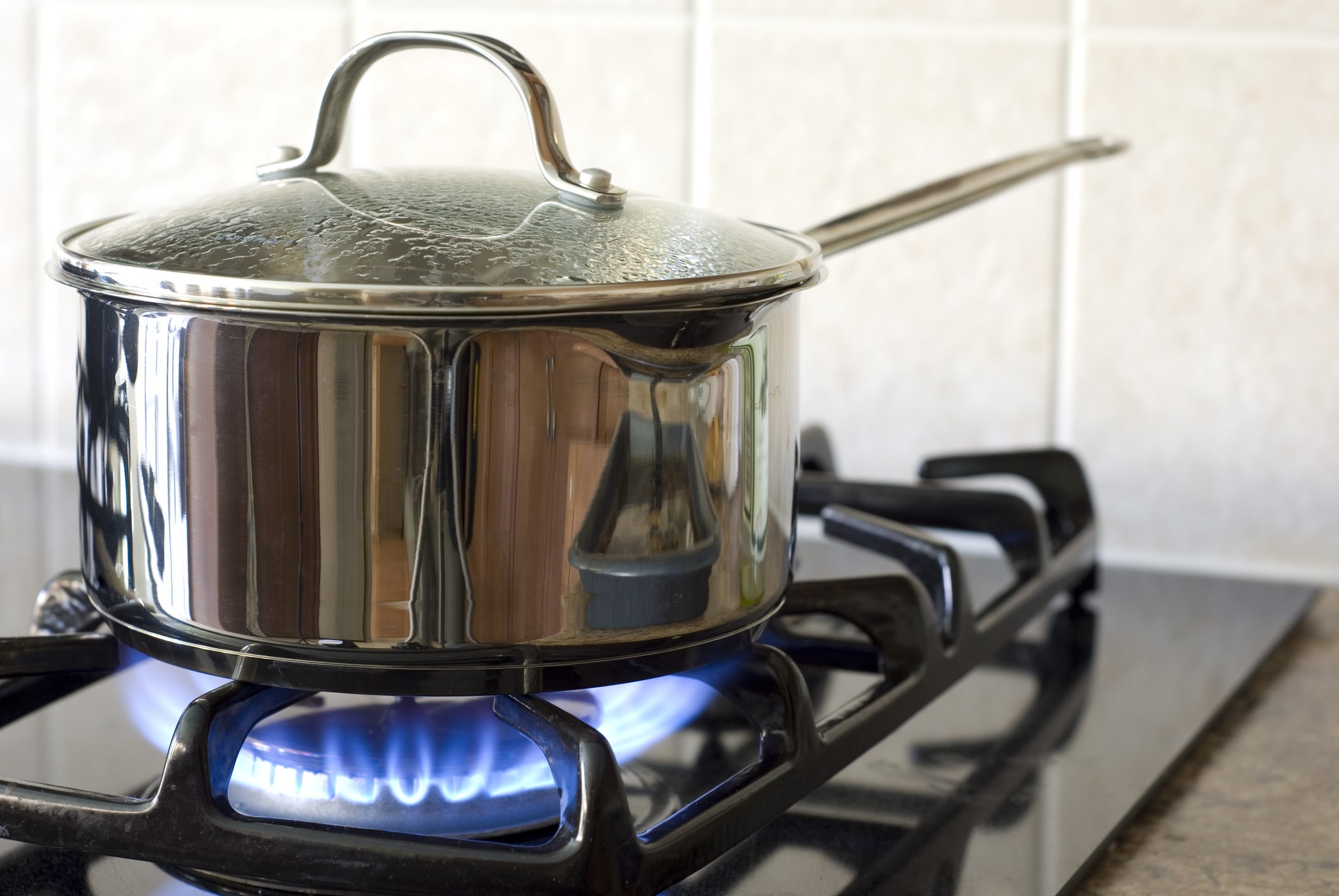
Incomplete combustion of any fuel, including natural gas, can produce carbon monoxide

Carbon Monoxide (CO) – a toxic gas

Incomplete combustion of any fuel, including natural gas, can produce carbon monoxide, a toxin. It is very important to recognize the flu-like symptoms of carbon monoxide poisoning:

  • Dizziness
  • Fatigue
  • Nausea and Vomiting
  • Headaches
  • Ringing in the Ears
  • Blurred Vision

If you suspect carbon monoxide poisoning take these steps:

  • Get yourself or the victim out of the house and into fresh air
  • Get medical attention right away
  • Give CPR if the victim is not breathing
  • Call the fire department and your gas company

Having your natural gas appliances serviced regularly by a licensed HVAC technician and having a working carbon monoxide detector in your home can greatly reduce the risk of carbon monoxide poisoning.

Excess Flow Valves

An excess flow valve (EFV) may reduce the consequences of a gas leak in the event of a break in the outside service line. The valve is designed to shut down the gas service to your home and reduce the likelihood of unrestricted gas flow from the broken line.

Since February 1999, in response to government regulation, Southwestern Virginia Gas has been installing EFVs at no additional charge to customers on all new and replaced residential natural gas service lines, which we will continue to do.

Southwestern Virginia Gas will also install an EFV on an existing residential and qualifying commercial natural gas service line for a cost to the customer of approximately $1,000 – $2,000, depending on the time and labor necessary for the installation.

For more information about EFVs, or if you want an EFV installed on your existing service line, please contact us at 276-632-5662.

Contact va811.com prior to any excavation project around the house to avoid costly and dangerous damages to natural gas facilities.
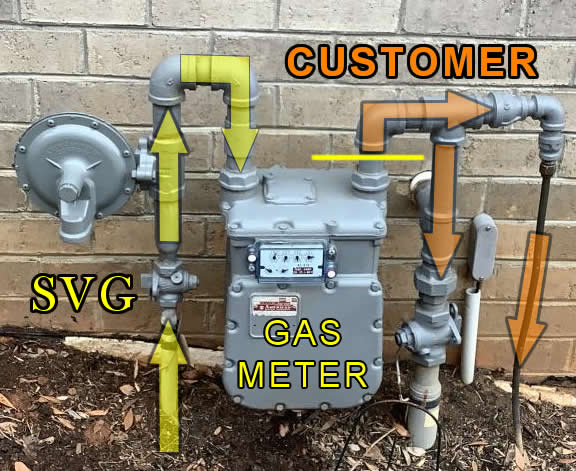
Customer fuel-piping begins at the outlet of the natural gas meter.

Customer Fuel-Piping

All natural gas piping downstream of the outlet of the meter is considered “customer fuel-piping” and SVG does not routinely inspect or maintain these lines. It is the customer’s responsibility to periodically inspect for leaks or corrosion and repair any unsafe conditions. This is especially true whenever fuel-piping comes in contact with the ground.  If you have questions or concerns about customer fuel-piping,  please contact us at 276-632-5662.